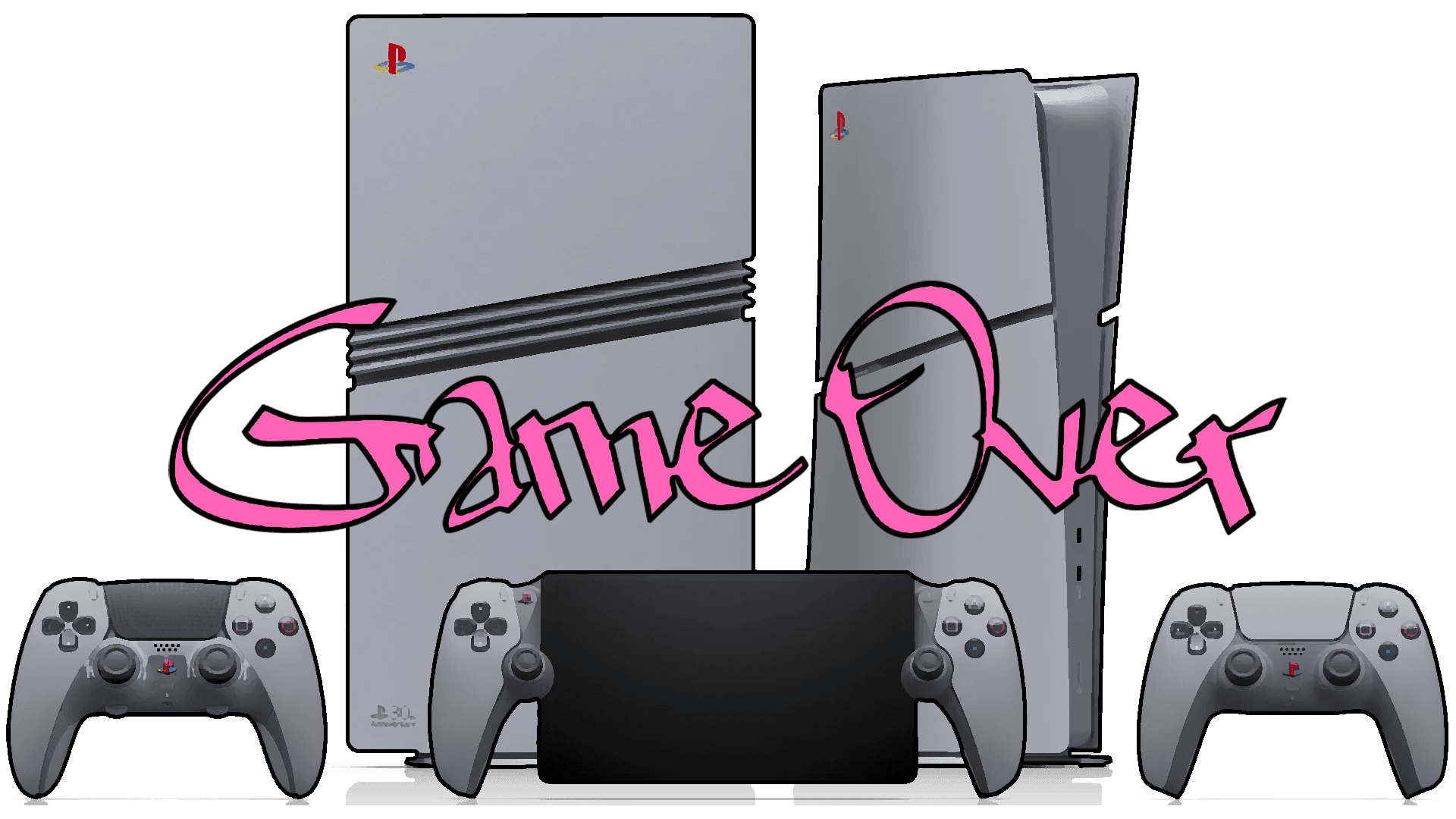
Sony had a string of FOMO-inducing PlayStation releases over the last decade, many of which left fans disappointed. With the 30th anniversary of the original PlayStation, Sony saw an opportunity to celebrate nostalgia and engage a passionate audience with disposable income.
The brand planned to release 12,300 highly coveted throwback consoles and accessories, starting with a pre-order event on September 26th. On the surface, it appeared Sony was putting fans at the center of the campaign. By allowing several weeks between pre-orders opening and the official on-sale date, Sony’s customer-experience teams could review orders, cancel suspected bot purchases, and re-open sales for legitimate customers if necessary.
Bot operators said, “Hold my beer.” Although Sony leveraged a widely used bot-management solution, operators still managed to secure the majority of the pre-order stock. These limited consoles are now being pre-sold at four to five times the original retail price on secondary markets.
Why it matters
In today’s unpredictable economy, Customer Experience Security is critical. Balancing revenue goals with the needs of loyal, long-term customers presents ongoing challenges. Meanwhile, bots continue to rapidly evolve, placing added pressure on brand teams to meet customer expectations in highly competitive retail environments.
Déjà vu
Sony faced a similar challenge during the pandemic, when PlayStation 5 demand skyrocketed amid supply-chain constraints. Millions of gamers stuck at home created ideal conditions for operators. Retail botting software monitored and secured inventory as soon as it became available, intensifying scarcity and driving up prices on reseller sites. Though it’s been four years, fans and influencers still recall the frustration and were vocal in the lead-up to the latest release.
Zoom in
Sony is a $120 billion company, yet retail botting-software teams — often small groups of three to five people with under $2M in annual revenue — were able to prevail.
- Sony leveraged a bot-management solution designed to control entry into the purchase queue, aiming to give everyone in line a fair opportunity. A retail bot developer created a bypass, enabling their users to proceed directly to checkout.
- Leading up to the event, developers heavily promoted their bypass, capitalizing on FOMO to attract new subscribers.
- After the drop, following a successful run, they removed any mention of the bypass from their marketing materials to minimize detection and prevent cancellations.
What did the fans say?
One micro-influencer, a YouTube streamer known for hyping PlayStation drops, live-streamed his pre-order experience. His followers watched as he was passed by bots, ultimately leaving him empty-handed. It resonated with many fans who faced similar challenges.
Lessons learned
In 2024, relying on the same playbook — deploying a single bot-management defense and skipping thorough post-drop order reviews — remains an insufficient approach to deter increasingly sophisticated operators. Once again, fans are left disappointed and empty-handed, forced to either pay inflated resale prices or turn to bots themselves, further eroding trust and damaging the brand’s reputation among its most loyal customers.
Now what?
To protect their brand reputation and maintain customer trust, retailers must adopt strategies that address the unfair advantages resellers gain with retail botting software:
- Adopt dynamic, proactive strategies that anticipate and adapt to evolving bot sophistication, moving beyond reliance on static solutions.
- Treat launch events as continuous testing and improvement cycles, including thorough post-drop reviews to identify gaps and refine defenses over time.
- Embrace community-driven innovation, where organizations collaborate to stay ahead of AI-powered bots.
- Align marketing, product, customer service, and security — collectively the Customer Experience Team — to share priorities and insights in real time.